

Here are our top 6 essentials when buying fine art. When you choose to invest in fine art, you’re not just getting something new and flashy to put up on the wall; you’re actually investing in a piece of history and culture, that is incredibly valuable and deserves to be treated as such.
There are a number of careful considerations you should be aware of in the journey of fine art. From the initial transaction to transporting, it to its residing location, it is important to take these 6 measures to protect both the artwork and you.
As an experienced art transportation service, delivering art throughout the UK for over 30 years, we are proficient in all protective measures for fine art and antiques. Here are our 6 essentials when buying art.
Our Top 6 Essentials When Buying Art
1. Understanding Provenance And Authenticity
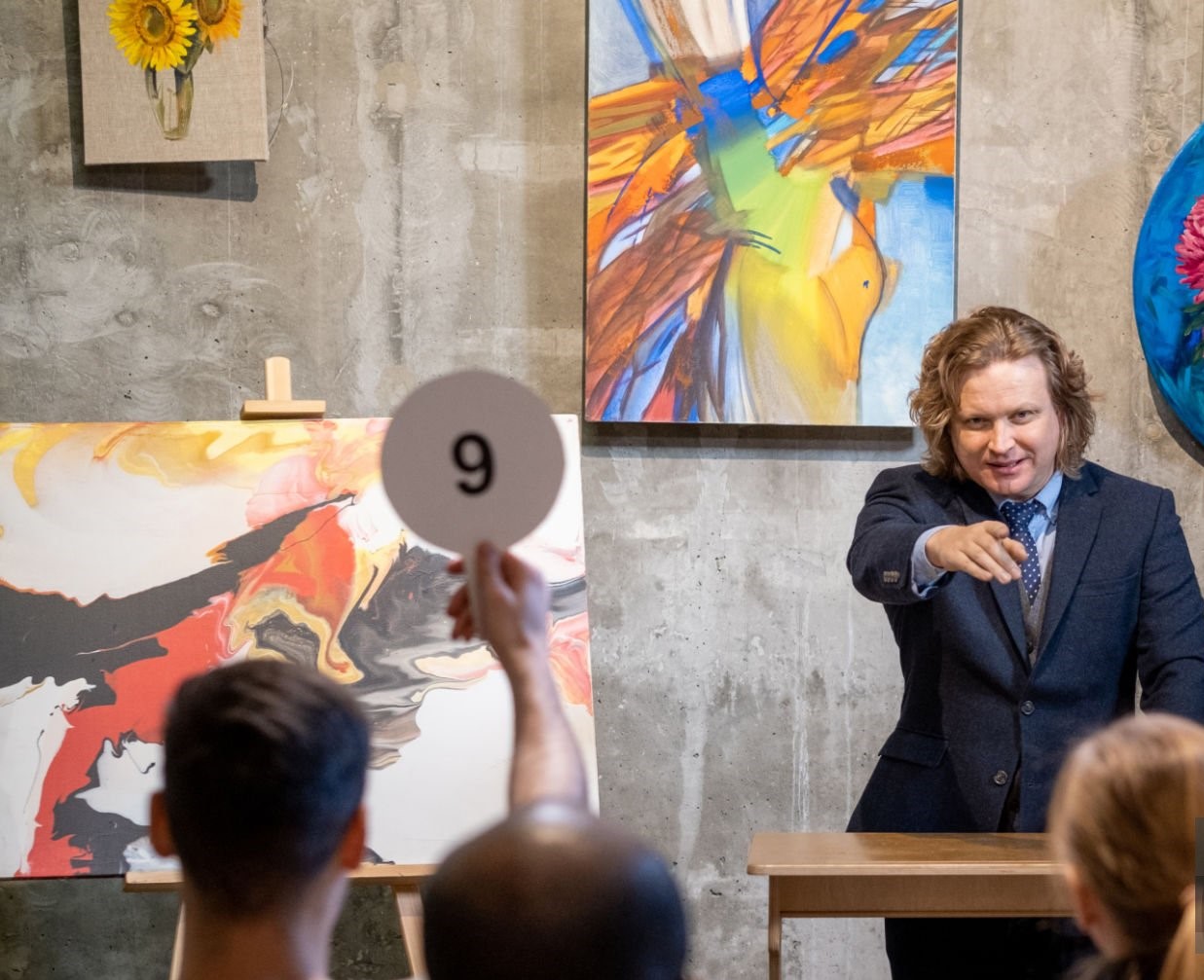
Being familiar with an artwork’s provenance is essential when buying artwork. If you’re not already familiar with the term, provenance traces the journey of artwork through various records from its origin to the present day. In some ways, art history can be more valuable than the art itself.
Provenance helps apply more context to the piece, such as who has held the collection or single piece in the past and helps attribute or authenticate the work. When buying art for museum displays, provenance ensures the art collected is legal and ethical.
An art’s exhibition history demonstrates its quality and importance, which in turn can impact the tremendous value of the work.
As a buyer, the provenance and certified authenticity of artwork can impact your insurance value, which is essential when organising art transportation. Acquiring accurate documentation on the artwork will also ensure that all necessary protective measures are in place.
2. Assess Condition And Needs
There is no limit to how far back a piece of fine art can date. Well, the current world’s oldest-known representational artwork dates back 45,500 years ago, so there’s a limit to go off (for now).
Prior to purchasing an artwork or art collection, you should assess the condition of the piece. It might go without saying, but some old works are extremely delicate and temperamental. There may be visible damage, signs of restoration, or gradual deterioration.
It’s also worth considering whether you have access to the resources needed to maintain the condition of extremely delicate works, such as a temperature-controlled environment or non-UV lighting.
This also translates to planning and preparation needed for art transportation. Art transporters may need to acquire specific packing materials with a controlled pH and alter handling techniques for more intricate works to maintain their condition and not cause damage.
3. Consider Size And Medium
As we know, art comes in all different shapes and sizes. The weight of artworks, the expanse of collections and the materials used know no bounds.
When it comes to buying artwork, an essential consideration is the logistics of manoeuvring larger works. Does the arts destination meet the spatial requirements of the piece? Does the work require custom crates for transportation or a larger vehicle?
The dimensions and medium of artwork may inflate the cost of art transportation, which you will need to factor into your initial investment. This is because there are (generally) more challenges when moving grander pieces, needing more physical handlers to complete the task safely.
4. Get Insurance Coverage
No matter the price of a fine art piece, where it is being shipped and with whom, insurance is absolutely necessary when investing in art.
There are plenty of threats that jeopardise the integrity of art, which is why it must be protected. This doesn’t just apply after you have obtained the artwork. The gallery, auction house, or private seller who you are purchasing the art from should also have insurance. You must verify the insurance terms during the purchase to understand from which point you are then liable.
It is then imperative that your artwork is insured for transportation, which is something we can help with. For more details on fine art and antiques insurance, follow this link.
5. Safe Art Transportation Services
Once the sale is complete, probably the most complex and nerve-wracking part of the art-selling process commences, which would be art transportation.
Fine art and antiques are probably at their most vulnerable during transportation. There are various factors that must be meticulously managed, so the artwork arrives safely to its destination.
This is why choosing a trusted art transportation service is essential when buying art. There is no such thing as planning too far in advance or being too thorough when it comes to the movement of priceless, historical artworks. For more details on how to protect your collection during transportation, check out this blog.
6. The Perfect Display
When your art arrives safely at its final destination, it needs to be displayed perfectly. After investing so much in the piece itself, insurance, and secure transportation services, the work deserves to be hung in a place of honour.
Consider the size of the piece and where it works best. Is the artwork a centrepiece? Would it work as a statement piece in a grand entryway? Is it something you want to see constantly, so should it be hung in one of your primary rooms? Does the ceiling height work with the metrics of the artwork? Will overexposure to natural lighting damage the artwork?
Another thing to consider is the lighting for your artwork. Whether it is hung in a gallery or a home, decorative lighting can make all the difference and help your piece stand out. Spotlights positioned toward your artwork will provide subtle illumination and naturally navigate visitors’ eye lines toward your special piece. Appropriate lighting ensures that the artwork may be enjoyed 24/7, so you get the most out of your investment.
Aardvark’s Top 6 Essentials When Buying Art: Shipping With Us
There you have our top 6 essentials when buying art. There really are no shortcuts when it comes to making such a significant investment. Our best advice is to do your research and rely on the experts.
Aardvark has handled fine art and antique shipments for decades. We leave no stone unturned when it comes to protecting your investment and the integrity of your artwork. Everything we do has that very purpose and is supported by a wealth of knowledge within our industry. You can find out more about us here.
If you would like more information on our 6 essentials when buying art or to know more about our services, please contact us today. Our team is on hand to help with your enquiry.