

In this blog, we will uncover the hidden dangers of improper art storage and share our expert tips on how to avoid them. This will ensure your art remains protected, preserved, and in pristine condition. We will be sharing 6 hidden dangers of improper art storage and how to avoid them. Keep reading to learn more!
Avoiding Dangers of Improper Art Storage
Whether you’re a museum curator, private collector, or artist, storing artwork safely is just as important as creating or acquiring it. While art is often protected on display, what happens in storage can have an impact on the longevity of a piece. Improper art storage poses serious risks that are often invisible until the damage is done, and by then, restoration can be expensive or even impossible.
Why Proper Art Storage is so Important
Art is vulnerable. Whether it’s an old oil painting, a delicate watercolor, a bronze sculpture, or a modern multimedia installation, each medium has its own sensitivities. Some dangers of improper art storage could be exposure to light, humidity, pests, pollutants, and even physical mishandling. These factors can all lead to deterioration.
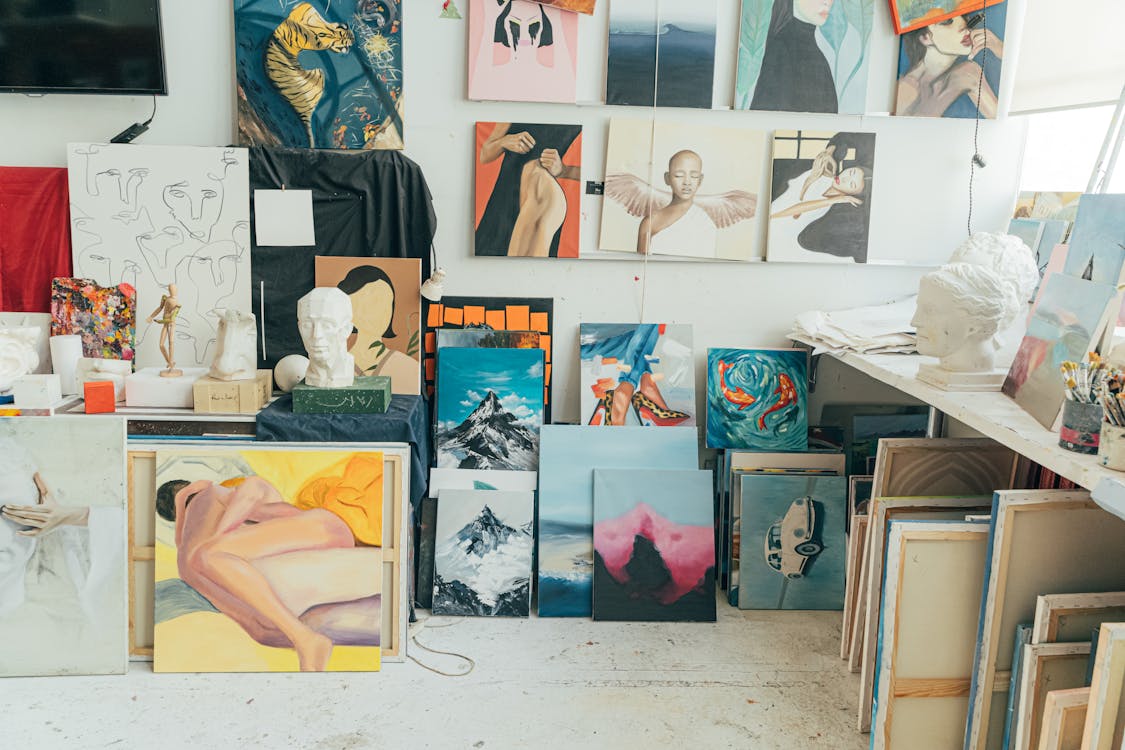
Unfortunately, many collectors and institutions unknowingly put art at risk by using non-specialised storage spaces such as attics, basements, garages, or standard shelving. These environments may seem convenient, however, they often lack the controlled conditions which are essential for keeping artwork intact.
Hidden Dangers of Improper Art Storage
Let’s dive into the 6 dangers of improper art storage and look at how we would avoid them!
Fluctuating Temperature
Changes in temperature and humidity can cause materials like canvas, wood, paper, and metal to expand and contract, leading to warping, cracking, or delamination. Even short-term fluctuations can pose a risk and cause irreversible structural damage, especially to older or mixed-media pieces.
This danger can be avoided by using the correct storage method. For example, you could store art in a climate-controlled environment. Another way to prevent this is by using humidifiers or dehumidifiers where needed. Temperatures can be monitored using hygrometers and thermometers to keep track of conditions.
Light Exposure
Artwork that is exposed to UV can also be in danger of being damaged. UV light can come from either natural sunlight or even some light bulbs. This can cause fading and discoloration, especially on artworks on paper, textiles, or photographs. Even low levels of light over long periods can degrade pigments and dyes permanently.
However, this can easily be avoided. Artwork should be stored in a low-light or dark area. UV-filtering sleeves, glass, or covers can also be used to protect the work from exposure. Limited handling under UV light should also be considered to prevent damage.
Pest Infestation
Insects such as silverfish or moths can be attracted to organic materials like paper, glue, and canvas which can damage artwork. Rodents are also a risk as they can chew or nest in storage boxes. Pests can chew through or stain artworks, frames, and storage materials, sometimes without being noticed until severe damage occurs.
Avoid damage from pests by keeping storage areas clean, sealed, and free of food or organic debris. Make sure that you regularly inspect work for signs of pest activity or damage. You can also use archival-grade, pest-resistant materials for storage.
Improper Framing and Support
Over time, poor framing or support can warp or collapse. This can cause pressure points, tears, or creases in artwork. The risk of his occurring is that damage may develop slowly and remain unnoticed until it’s very significant.
Using archival-quality, acid-free materials can prevent damage. Cardboard or wood that contains acids or off-gasses should also be avoided for framing or support. Consulting a professional framer for conservation-grade support structures could also be beneficial to ensure framing lasts.
Stacking and Crowding Artwork
Leaning canvases or stacking artwork can put uneven pressure on surfaces. This leads to cracks, abrasions, or tears. As a result of this paint loss, frame damage, and structural warping is a risk.
This can be avoided by using storage racks or flat files that are specifically designed for art. Artwork should be separated using archival spacers or padding.
And remember: never stack framed works face-to-face or back-to-face.
Contaminated Storage Materials
Using things like newspapers, cardboard, or wood boxes for storage may introduce acidic materials that degrade artwork over time. Storage methods like this can lead to yellowing, brittleness, and chemical reactions on surfaces.
Prevent damage from occurring by choosing archival-quality storage materials that are acid-free, lignin-free, and pH-neutral. Artwork such as photographs or textiles can be wrapped in unbuffered tissue for safe storage. You should avoid using PVC plastics which can off-gas harmful chemicals.
Proper Art Storage With Aardvark
Ensuring you have the right storage conditions may seem difficult. But it doesn’t have to be!
Whether you’re storing a single painting or managing an entire archive, don’t let hidden storage risks undermine the value and beauty of your art. Invest in a controlled environment. We treat every piece with the care it deserves during the shipping process.
If you would like to know more about us, follow this link.
Need a courier service you can trust? Contact us today and put your mind at ease. You can call us on 01253 794673 or email us at [email protected].